
Best Paper Weight For Brochures
Best Paper Weight For Brochures - It’s measured in grams per square meter. One of the most popular brochure sizes is 8.5 inches wide by 11 inches long. According to our 30 years and counting of professional experience in the offset printing industry, we know that most brochures work best when printed on paper no lighter. Uncoated, weight, finish, and tips. Whether you're producing business cards,. Your complete guide to choosing the. Paper stock selection affects everything. How do you choose the best paper weight for printing? Discover the art of choosing the perfect paper for brochure printing! This is rarely used for brochures as it is. Contact us for different paper weight options. This really boils down to preference, but in general, here is a quick guide: Offering a substantial feel without the rigidity of cardstock, this weight is excellent for premium. How do you choose the best paper weight for printing? Choosing the right paper weight is a crucial decision that can significantly impact the overall quality and feel of your printed materials. Paper stock selection affects everything. Learn the best paper for business cards, brochures, and more—coated vs. The thickness of the paper is known as paper density. Paper weight is a very. What is the best paper weight for brochures? Your complete guide to choosing the. Dive into our comprehensive guide, exploring paper types, finishes, and weights. Offering a substantial feel without the rigidity of cardstock, this weight is excellent for premium. The answer would depend on what you need. Here is a quick guide to the different types of paper weights for brochures that we offer at copymage: This really boils down to preference, but in general, here is a quick guide: Standard weights typically range from 80 lb. A popular choice for standard. Uncoated, weight, finish, and tips. Paper weight is a very. Discover the art of choosing the perfect paper for brochure printing! You can also use 80 lb or 100 lb. This is the midway point between paper and. There are two main types of paper weight for. This really boils down to preference, but in general, here is a quick guide: Paper weight, often measured in gsm (grams per square meter), determines the thickness and sturdiness of the paper. It affects the quality, feel, and appearance of your final product. Tangible marketing materials, such as. Paper stock selection affects everything. According to our 30 years and counting of professional experience in the offset printing industry, we know that most brochures work. Dive into our comprehensive guide, exploring paper types, finishes, and weights. Learn which paper weight to choose and whether a gloss, matte or uncoated paper is the best choice for you. This really boils down to preference, but in general, here is a quick guide: The answer would depend on what you need. Discover specialty papers like pearlescent, colored and. This expert guide has recommendations for any job. Luckily for you, we have a list of the best paper weights to use. If, for example, you need something that can lay flat on a surface, a thinner paper stock. What is the best paper weight for brochures? Selecting the right weight ensures that the. Whether you're producing business cards,. Standard weights typically range from 80 lb. It’s measured in grams per square meter. Dive into our comprehensive guide, exploring paper types, finishes, and weights. Discover the art of choosing the perfect paper for brochure printing! For wall charts that will be provided flat, or rolled, and won’t be folded to a smaller size, you may use any paper weight between 80 gsm and 400 gsm. Luckily for you, we have a list of the best paper weights to use. This expert guide has recommendations for any job. Choosing the right paper weight is a crucial. Selecting the right weight ensures that the. Discover specialty papers like pearlescent, colored and. Learn which paper weight to choose and whether a gloss, matte or uncoated paper is the best choice for you. Whether you're producing business cards,. Learn how to choose the perfect paper for your brochure and make a lasting impression with your marketing materials. The answer would depend on what you need. Offering a substantial feel without the rigidity of cardstock, this weight is excellent for premium. How do you choose the best paper weight for printing? Paper stock selection affects everything. The thickness of the paper is known as paper density. Heavier, more durable paper usually used for posters, business leaflets, flyers and pages inside your brochure. Offering a substantial feel without the rigidity of cardstock, this weight is excellent for premium. According to our 30 years and counting of professional experience in the offset printing industry, we know that most brochures work best when printed on paper no lighter. So what paper weight is right for you? There are two main types of paper weight for. This really boils down to preference, but in general, here is a quick guide: This expert guide has recommendations for any job. Paper stock selection affects everything. Tangible marketing materials, such as. Common weights for brochures include: Ideal for company brochures and detailed catalogues. Uncoated, weight, finish, and tips. For wall charts that will be provided flat, or rolled, and won’t be folded to a smaller size, you may use any paper weight between 80 gsm and 400 gsm. Learn the best paper for business cards, brochures, and more—coated vs. It’s measured in grams per square meter. It affects the quality, feel, and appearance of your final product.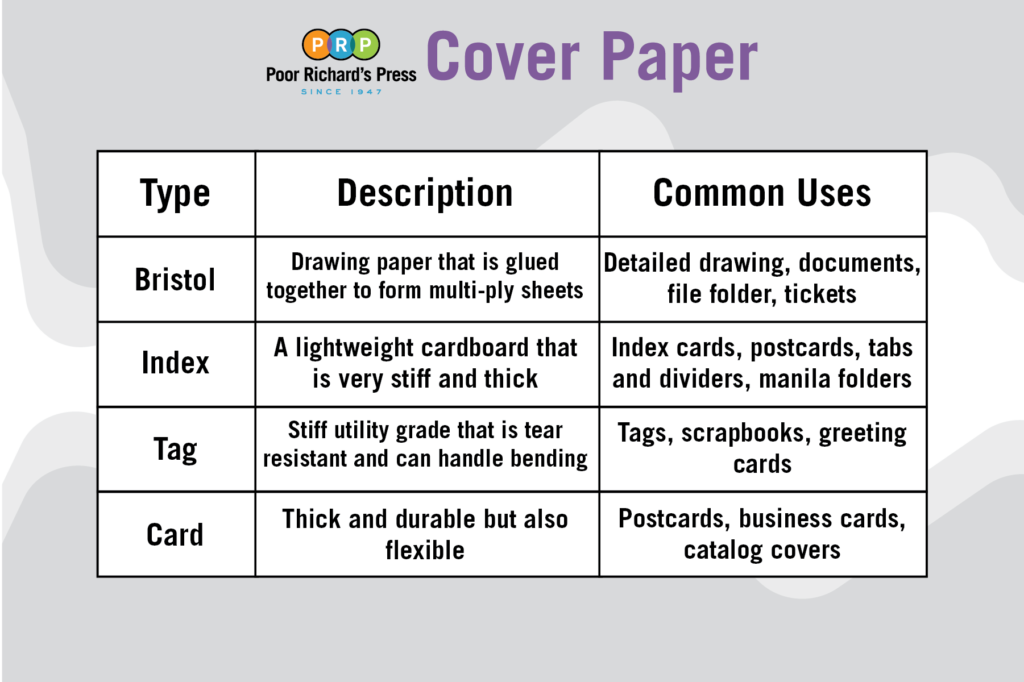
The Ultimate Guide to Understanding Paper Weight Poor Richard’s Press

Discover The Exact Dimensions What Size Is Half A Sheet Of Paper?

Paper Weight Guide
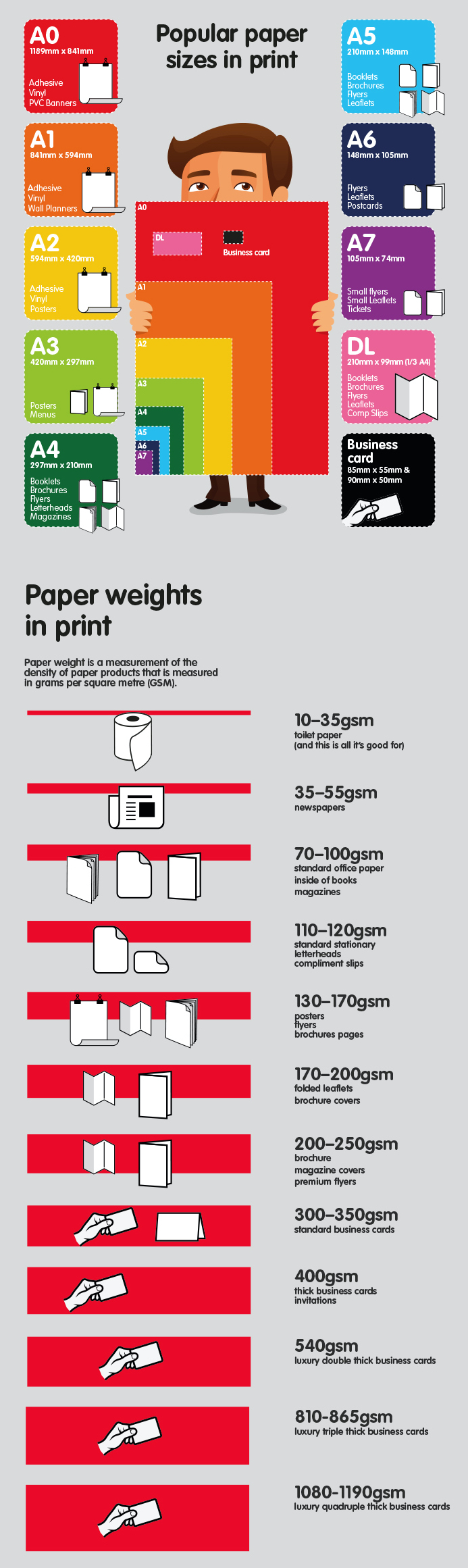
Paper Weight Paper Thickness Paper Weight Guide

Brochure Size 101 A Beginner's Guide
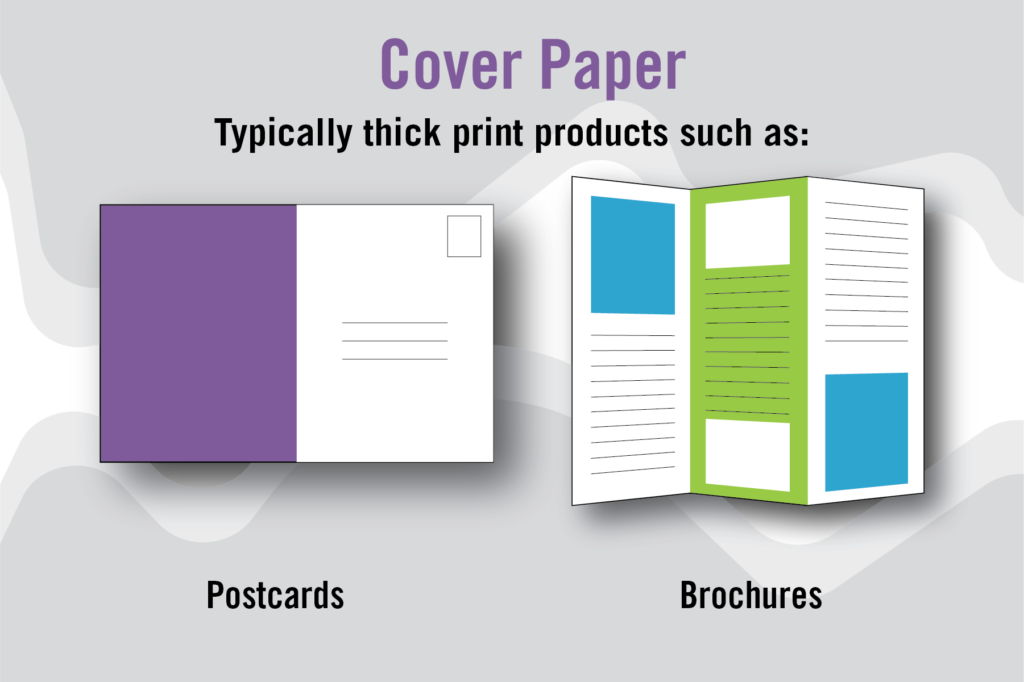
The Ultimate Guide to Understanding Paper Weight Poor Richard’s Press
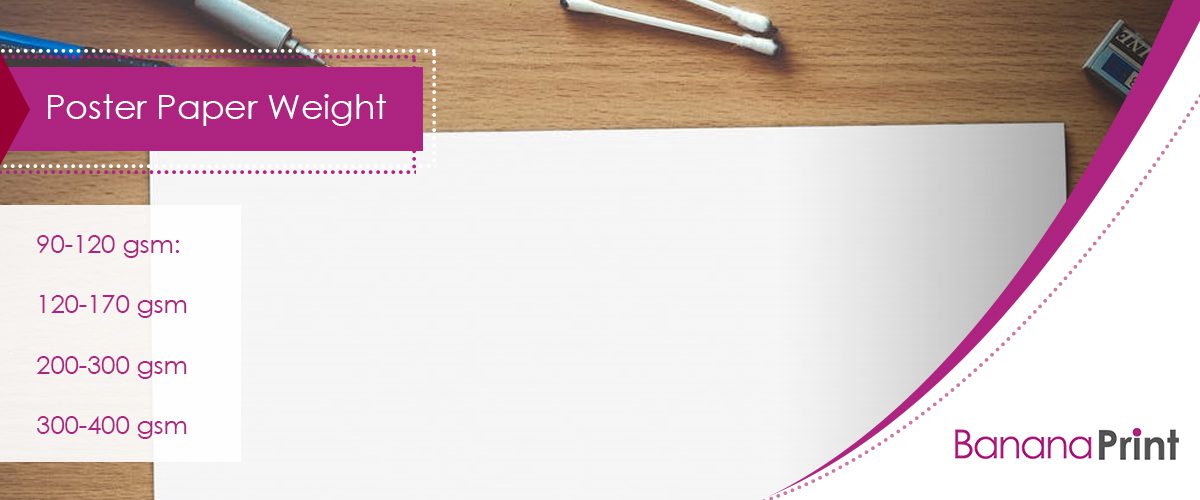
Standard Poster Size, Dimensions & Design Guide UK Banana Print

Paper 101 Paper Weight Guide About Paper Weights and Paper Terms
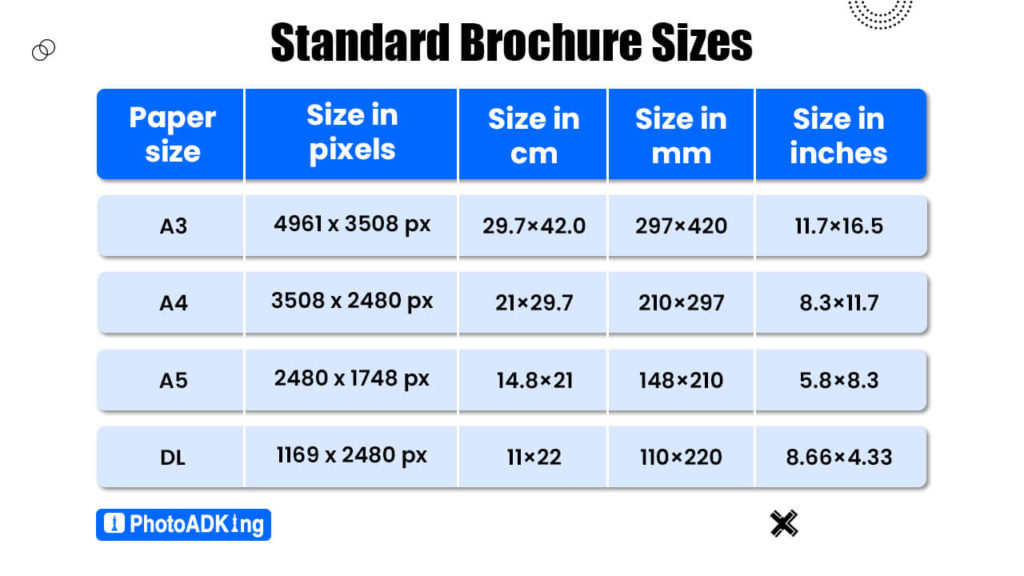
Standard Brochure Sizes and Dimensions

Paper Weight For Brochures at Rosa Coffey blog
The Thickness Of The Paper Is Known As Paper Density.
Light And Economical, This Type Of Paper Is Generally Used For.
If, For Example, You Need Something That Can Lay Flat On A Surface, A Thinner Paper Stock.
A Popular Choice For Standard.
Related Post: