
Wetland Brochure
Wetland Brochure - They are transition zones where the flow of water, the cycling of nutrients and the energy of the sun meet to produce a. The conservation staff or a. This brochure introduces why and how we do what we do. Those three things are water, soil, and plants. Check out the map on the back of this brochure to find a wetland near you. The conservation agent or a wetland specialist can. Plants growing in wetlands are capable of living in saturated soil conditions. And what are we doing about it? Hydric soils, wetland vegetation, and wetland hydrology. They are transition zones where the flow of water, the cycling of nutrients, and the energy of the sun meet to produce a unique ecosystem. Wetland scientists and regulators use three principal types of wetland characteristics or “parameters” in defining, mapping, and delineating wetlands: Check out the map on the back of this brochure to find a wetland near you. By law, wetlands are defined by the kind of plants that grow in them (such as jewel weed, red maples, or skunk cabbage) and the kind of soils that exist there. This brochure introduces why and how we do what we do. They are beautiful, easy to maintain, and they attract wildlife. The conservation staff or a. Wetlands are defined by the kind of plants that grow in them and the kind of soils that exist there. Wetlands for resting, immediate refueling, and survival. Plants growing in wetlands are capable of living in saturated soil conditions. They are transition zones where the flow of water, the cycling of nutrients, and the energy of the sun meet to produce a unique ecosystem. Wetlands overview (pdf) (294.23 kb) types of wetlands (pdf) (1.26 mb) functions and values of wetlands (pdf) (460.83 kb) economic. And what are we doing about it? Yet, many wetlands look quite different from this! They are transition zones where the flow of water, the cycling of nutrients and the energy of the sun meet to produce a. Are buffer. Most people think of wetlands as open water with lily pads, cattails and ducks. Wetlands are the link between the land and the water. They provide unmatched environmental functions and values and. The conservation agent or a wetland specialist can. List of epa wetlands factsheets. Class i wetlands are exceptional or irreplaceable in their contribution to vermont’s natural heritage. By safeguarding and restoring wetlands, we reduce the impacts of floods and droughts and build resilience to climate change. Use the chart of plants inside this brochure as a guide to select species that are ideal for your wetland and native to pennsylvania. Wetlands are valuable. They are transition zones where the flow of water, the cycling of nutrients, and the energy of the sun meet to produce a unique ecosystem. Three things make a place a wetland. There are many wetlands that you can visit throughout montana, gallatin county, or even within our city limits. Numerous bird species use wetlands in hawai‘i for feeding, breeding,. Hydric soils, wetland vegetation, and wetland hydrology. By law, wetlands are defined by the kind of plants that grow in them (such as jewel weed, red maples, or skunk cabbage) and the kind of soils that exist there. Wetlands are defined by the kind of plants that grow in them and the kind of soils that exist there. Wetlands are. There are many wetlands that you can visit throughout montana, gallatin county, or even within our city limits. Many native hawaiian plant and animal. Wetlands are defined by the kind of plants that grow in them and the kind of soils that exist there. Wetlands are the link between the land and the water. And what are we doing about. Wetlands are valuable because they reduce flooding, provide wildlife habitat, help recharge aquifers, and filter polluted water. Yet, many wetlands look quite different from this! Class i wetlands are exceptional or irreplaceable in their contribution to vermont’s natural heritage. Wetlands are the link between the land and the water. Check out the map on the back of this brochure to. Three things make a place a wetland. This brochure introduces why and how we do what we do. Class i wetlands are exceptional or irreplaceable in their contribution to vermont’s natural heritage. Unless an area has been altered or. Wetlands are areas that are covered by water or have waterlogged soils for long periods during the growing season. The conservation agent or a wetland specialist can. Many native hawaiian plant and animal. Numerous bird species use wetlands in hawai‘i for feeding, breeding, and over wintering. Those three things are water, soil, and plants. They are beautiful, easy to maintain, and they attract wildlife. By safeguarding and restoring wetlands, we reduce the impacts of floods and droughts and build resilience to climate change. How can wetlands be recognized? A selected bibliography and list of web sites provide the reader. Plants growing in wetlands are capable of living in saturated soil conditions. Wetland scientists and regulators use three principal types of wetland characteristics or “parameters”. The right amount of water keeps the soil wet, and wetland plants like to grow in these. Wetland scientists and regulators use three principal types of wetland characteristics or “parameters” in defining, mapping, and delineating wetlands: Wetlands are valuable because they reduce flooding, provide wildlife habitat, help recharge aquifers, and filter polluted water. Wetlands for resting, immediate refueling, and survival. And what are we doing about it? Wetlands are defined by the kind of plants that grow in them and the kind of soils that exist there. The conservation staff or a. By law, wetlands are defined by the kind of plants that grow in them (such as jewel weed, red maples, or skunk cabbage) and the kind of soils that exist there. Those three things are water, soil, and plants. Wetlands are areas that are covered by water or have waterlogged soils for long periods during the growing season. Unless an area has been altered or. Hydric soils, wetland vegetation, and wetland hydrology. Wetlands are the link between the land and the water. This brochure introduces why and how we do what we do. They provide unmatched environmental functions and values and. List of epa wetlands factsheets.
GLT Wetland Mitigation Services Trifold Brochure by Great Land Trust

Project "Conservation of critical wetland protected areas and linked
Gamuda Cove Discovery Wetlands e Tourist Brochure PDF

World Peace Wetland Prairie Community Wildlife Habitat Project

Wetlands Posters

The whole set of tourist brochures of the wetland park template image

In the Forest of the Night Wetlands Biodiversity Conservation

Wetlands Brochure by Elizabeth Nemeth at
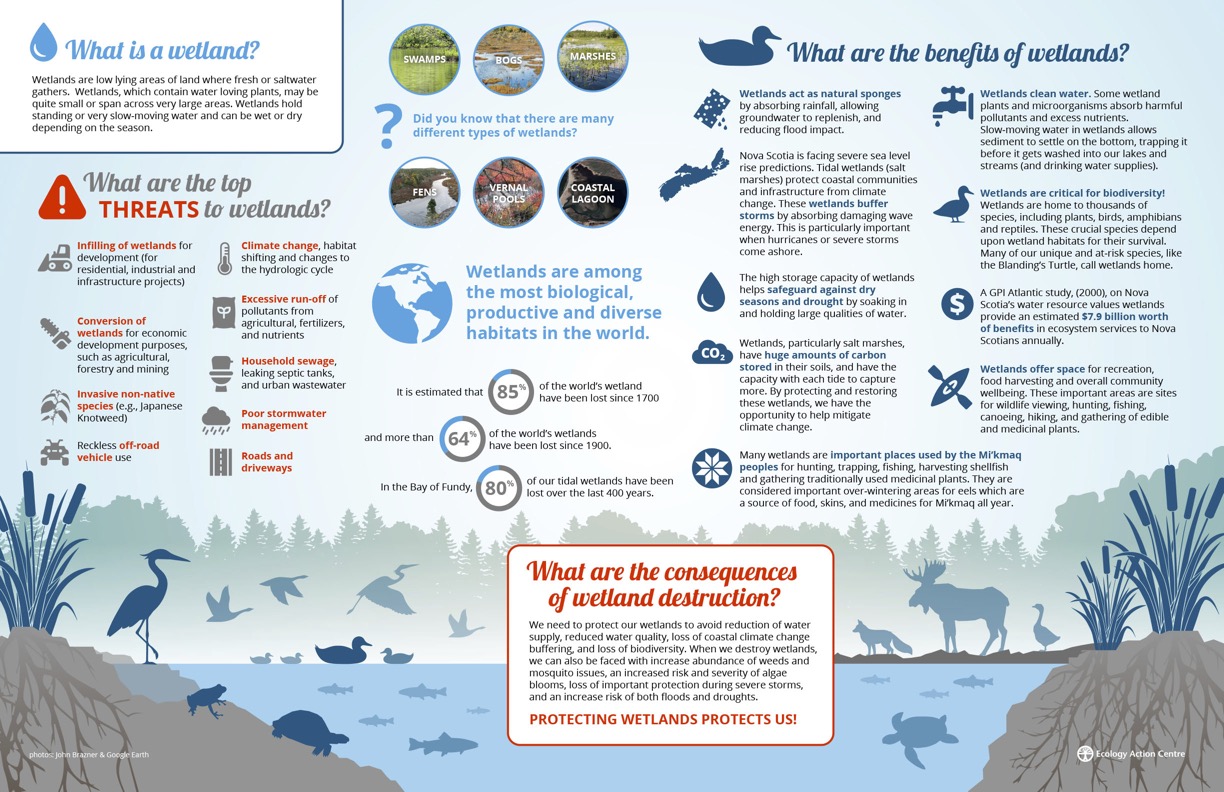
Wetlands & Water Ecology Action Centre
Wetland Management in South Florida Allstate Resource Management Inc.
A Wetland Is An Area That Is Covered By Shallow Water Or Has Waterlogged Soils For Long Periods During The Growing Season In Most Years.
Three Things Make A Place A Wetland.
A Selected Bibliography And List Of Web Sites Provide The Reader.
Yet, Many Wetlands Look Quite Different From This!
Related Post:
